

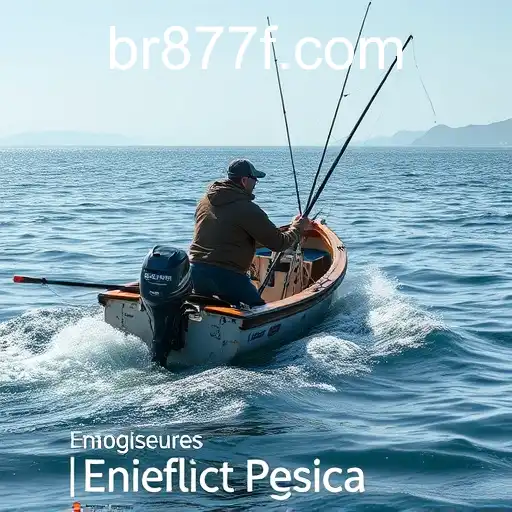
Understanding Pesca
Pesca, a term that resonates with avid enthusiasts and professionals in the fishing industry, encompasses a world that is both rich and diverse. In its simplest form, "pesca" translates to "fishing" in Spanish, yet it carries with it a multitude of meanings and cultural significance. This article delves deep into the realm of pesca, exploring its multifaceted nature and the role it plays globally.9Nbet
The Cultural Significance of Pesca
Fishing is not merely a means of livelihood, but a cultural phenomenon steeped in tradition. From the coastal villages of Spain to the lakes of Italy, pesca is an integral part of the daily lives of millions. Fishermen rely on the sea’s bounty not only for sustenance but also for preserving customs that have been passed down through generations. For instance, in Spain, the Alboran Sea is a vital fishing ground, providing communities with resources and supporting cultural festivals dedicated to honoring the sea.
AA888Pesca in Modern Times
In contemporary times, pesca has evolved significantly, integrating modern technology and sustainable practices to keep up with the demands of the world. Advances in sonar technology, GPS navigation, and sustainable fishing nets are transforming the industry, making it more efficient and environmentally friendly. The keyword 877f might not directly relate to a component of traditional pesca, but it could represent a model number or specific technology that aids in this transformation.
Within the framework of sustainable pesca, the emphasis is on minimizing bycatch, protecting marine ecosystems, and ensuring the long-term viability of fish stocks. Countries around the globe have implemented stricter regulations and partnerships to promote sustainable pesca. International organizations advocate for reduced quotas on vulnerable species and the implementation of no-fishing zones to help ecosystems recover.
The Economic Impact of Pesca
Pesca also plays a pivotal role in the global economy. The fishing industry supports countless jobs in various sectors, from catching and processing to distribution and retail. Nations with extensive coastlines and freshwater resources often have significant portions of their GDP tied to this industry. The advent of 877f-type technologies has further augmented the efficiency of fishing operations, reducing costs and increasing yields.
Challenges Facing the Industry
Despite the technological and regulatory advancements, the fishing industry faces considerable challenges. Overfishing remains a critical issue, threatening fish populations worldwide. Illegal, unreported, and unregulated (IUU) fishing exacerbates this issue, undermining conservation efforts and sustainable pesca practices. Addressing these challenges requires international cooperation, enhanced monitoring, and stringent enforcement of pesca-related laws.
Recreational Pesca
Aside from its economic and cultural aspects, pesca is also a popular recreational activity. Anglers, whether casting lines in freshwater rivers or deep-sea fishing off coastal shores, form a passionate community. Recreational pesca contributes significantly to tourism, with enthusiasts traveling to renowned fishing spots worldwide. Here, the latest gear, some possibly denoted by 877f, helps improve the experience, giving fishers insights into water conditions and fish behaviors.
6553bet.comEnvironmental Considerations
811luck.comThe environmental impact of pesca, recreational or commercial, raises important questions about resource management and conservation. As awareness of these issues grows, there is a shift towards catch-and-release practices in sport fishing, designed to minimize harm to fish populations. Education on best practices and responsible pesca ensures that this age-old pastime is sustainable for future generations.
GY betConclusion
Ultimately, pesca is a dynamic and complex domain. It is a crucial source of sustenance, employment, and cultural identity for countless people worldwide. As we look to the future, it is essential that pesca continues to innovate while preserving the natural resources it depends upon. With technologies, possibly like model 877f, that support these endeavors, and with growing awareness around sustainability, pesca can thrive sustainably for generations to come.